
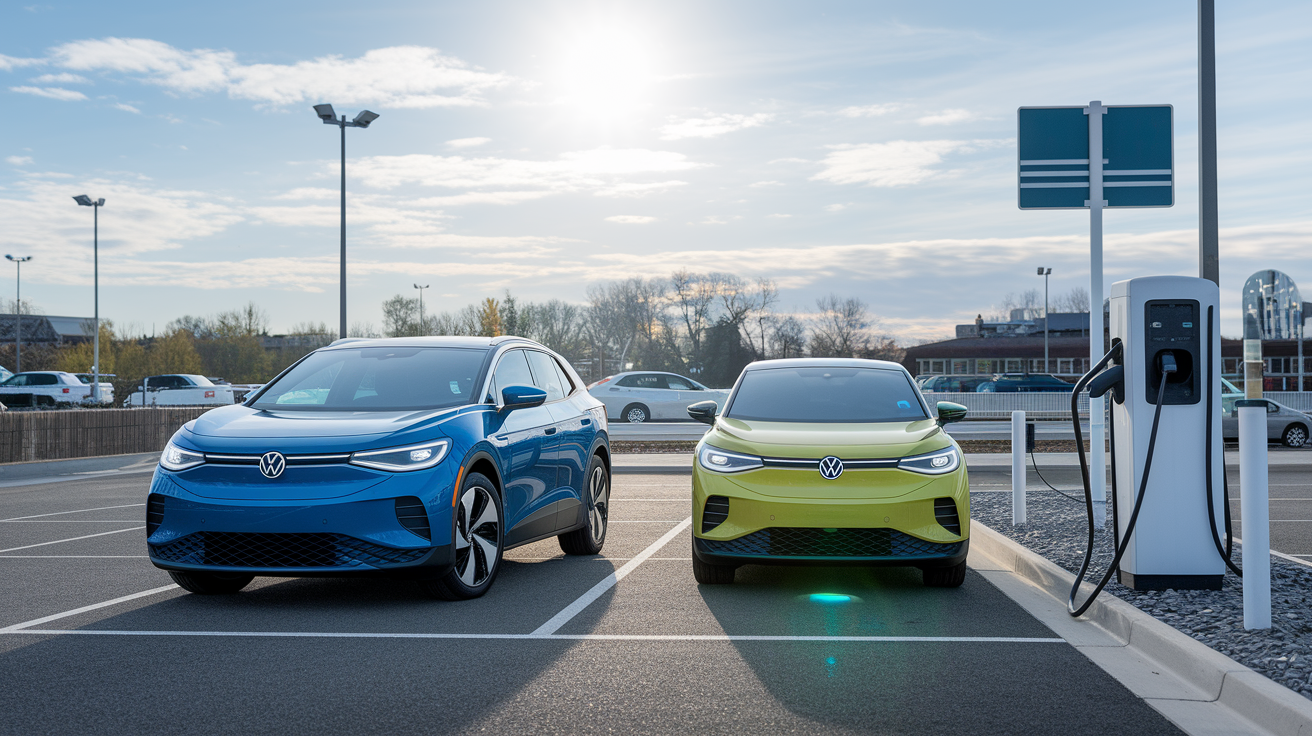
Think Volkswagen is just sensible commuter cars? Think again.
Whether you want a practical Jetta, a hot-hatch GTI, a family-friendly Tiguan, or an ID.4 EV, this post sorts the lineup, shows typical prices, and points you to the best places to buy new or used.
You’ll get clear trim comparisons, expected price ranges, and simple buying tips so you can pick the VW that fits your needs and budget without the guesswork.
Volkswagen Brand Overview and Resources for vw)
Volkswagen is a global mass-market car brand that’s been around for decades, offering everything from compact sedans and performance hatchbacks to midsize SUVs and a growing batch of battery-electric vehicles. If you landed here searching “vw)”, you were probably looking for Volkswagen, a brand that’s built its reputation on practicality, solid engineering, and a real push toward electrification lately. The official Volkswagen website is where you’ll find model info, pricing tools, and an online configurator that lets you spec out your future car piece by piece before you connect with a local dealer. Owner portals and mobile apps give registered users access to digital manuals, recall lookups, and maintenance schedules. Those official resources are your best bet for accurate, current details if you’re digging into Volkswagen models.
Volkswagen’s current U.S. and global lineup breaks down into five main buckets:
- Compact cars like the Jetta, plus performance versions such as the Golf GTI and Golf R.
- Compact and subcompact SUVs including the Taos and Tiguan, which work well for families needing flexible seating and cargo space.
- Midsize SUVs like the Atlas and Atlas Cross Sport, offering three-row and two-row setups for bigger groups.
- Electric vehicles with the ID.4 leading the charge in the U.S., while the ID.Buzz and ID.7 roll out in other markets.
- Performance and near-luxury models such as the Arteon fastback and high-output GTI/R variants for enthusiasts.
Big news in the 2020s centers on the brand’s electric pivot and the announcement that manual transmissions will disappear after the 2026 model year. The all-new electric ID. Polo GTI, for instance, debuted in 2026 as Volkswagen’s first battery-powered GTI. It puts out 166 kW (226 PS), hits 100 km/h in 6.8 seconds, sends power to the front wheels through an electronic differential lock, and starts under €39,000 when pre-sales open in autumn 2026. Combined power consumption is forecast at 16.4 to 14.4 kWh/100 km with zero tailpipe CO₂. That move shows how Volkswagen is blending its performance heritage with zero-emission tech across the lineup.
Current Volkswagen Models and Lineup Details for vw)
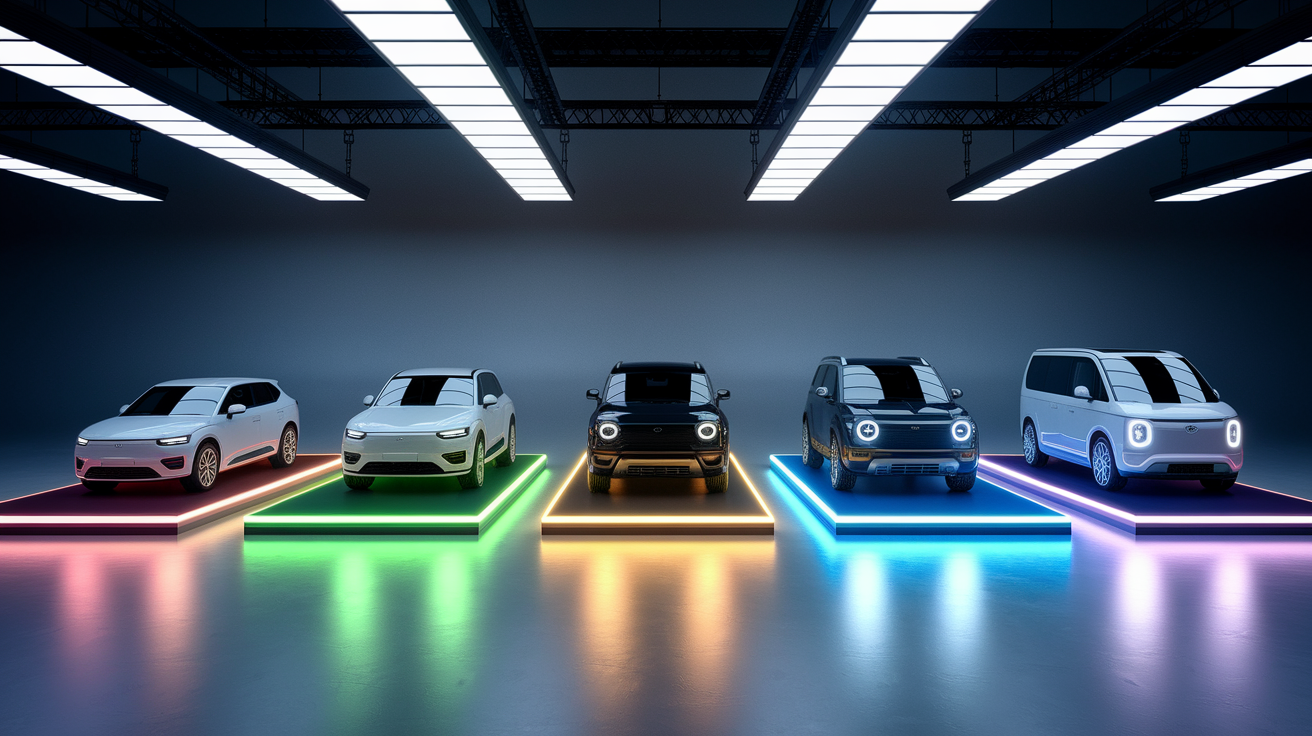
Volkswagen’s modern lineup balances traditional gasoline engines, turbocharged efficiency, and electric powertrains. The Jetta remains the entry-level compact sedan, typically starting around $21,000 to $27,000 with a 1.5L turbo engine producing roughly 150 to 160 hp. For enthusiasts, the Golf GTI and Golf R bring hot-hatch performance into the mix. The GTI outputs around 230 to 245 hp and starts in the low-to-mid $30,000s, while the Golf R cranks that up to 300 to 330 hp with an MSRP historically above $40,000. Car & Driver ratings frequently place both models at 9/10 or 10/10, reflecting their blend of everyday usability and track-day capability.
Crossover and SUV shoppers have three main options. The Taos is Volkswagen’s subcompact crossover, seating five and priced from approximately $24,000 to $30,000 with the same 1.5L turbo found in the Jetta. The Tiguan steps up to compact-midsize territory with an optional third row (depending on trim) and typical MSRPs between $30,000 and $40,000. The full-size Atlas offers standard three-row seating for seven passengers, with pricing spanning $38,000 to over $52,000 depending on trim and options. The Atlas Cross Sport drops the third row for a sportier roofline and slightly lower pricing. Ratings for the Tiguan often hit 9 to 9.5/10, making it a standout in VW’s SUV lineup.
On the electric side, the ID.4 is Volkswagen’s cornerstone EV in North America. A rear-wheel-drive single-motor version delivers around 200 to 205 hp, while the dual-motor AWD variant pushes output near 295 hp. EPA range estimates for long-range RWD configurations commonly land in the 250 to 275-mile band, and pricing typically runs from $38,000 to $55,000 depending on battery size, drivetrain, and trim level. Ratings cluster around 8 to 8.5/10, reflecting strong real-world range and a comfortable interior. The ID.Buzz, an electric van with retro microbus styling, and the ID.7 sedan are rolling out globally, with U.S. availability and final trims evolving through 2024 and 2025.
| Segment | Model | Starting Price (USD) | Typical Rating |
|---|---|---|---|
| Compact sedan | Jetta | ~$21,000–$27,000 | 7.5–8.5/10 |
| Performance hatch | Golf GTI / Golf R | ~$34,000 / ~$45,000+ | 9–10/10 |
| Compact SUV | Taos / Tiguan | ~$24,000 / ~$30,000 | 8.5–9.5/10 |
| Midsize SUV | Atlas / Atlas Cross Sport | ~$38,000–$52,000 | 7–9/10 |
| Electric SUV | ID.4 | ~$38,000–$55,000 | 8–8.5/10 |
| Electric van | ID.Buzz | ~$62,000 | 10/10 |
Discontinued models like the Arteon fastback (last listed around $37,000 to $44,000), the Beetle (final year 2019, ~$21,000), the e-Golf electric hatchback (~$30,500 to $32,800), and older Golf SportWagen and Alltrack variants remain popular on the used market. Ratings for these models vary widely. Some older Beetles score as low as 4 to 6/10, while the 2021 Golf and e-Golf often earn 9 to 10/10 for their final model years. If you’re shopping used, knowing the model year and trim is crucial because Volkswagen’s lineup shifted significantly between 2019 and 2024.
Electric VW Models and ID-Series Technology for vw)
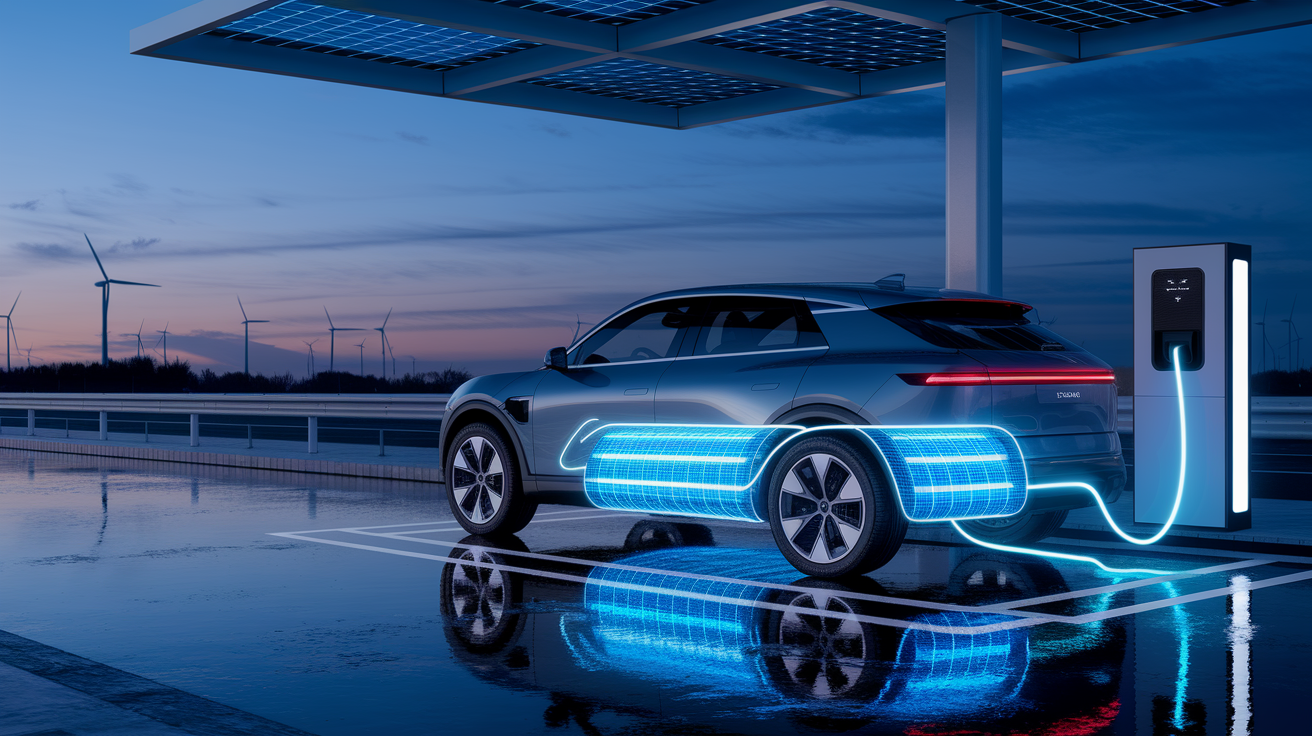
Volkswagen’s ID family represents the brand’s full commitment to battery-electric powertrains. The ID.4 leads in the United States, but the global ID lineup now includes the compact ID.3, the performance-oriented ID. Polo GTI, the spacious ID.Buzz van, and the premium ID.7 sedan. The ID. Polo GTI, announced in 2026 and the first all-electric model to carry the GTI badge, delivers 166 kW (226 PS), hits 100 km/h in 6.8 seconds, and routes power to the front wheels through an electronically controlled differential lock. That setup preserves the front-drive, hot-hatch character GTI fans expect, just without an internal combustion engine. Preliminary consumption figures for the near-production concept sit between 16.4 and 14.4 kWh per 100 km, which translates to roughly 4 to 4.4 miles per kWh under European test cycles.
Range remains a top consideration for any EV buyer. The ID.4’s long-range RWD variant commonly achieves EPA estimates around 250 to 275 miles on a full charge, depending on battery pack size and driving conditions. Dual-motor AWD configurations trade some range for added traction and performance, with real-world numbers often landing 10 to 15 percent lower than single-motor versions. Volkswagen equips ID models with DC fast-charging capability, meaning a compatible 150 kW or higher public charger can add roughly 200 miles of range in about 30 minutes under ideal conditions. At home, a Level 2 (240V) charger installed in your garage typically replenishes a depleted battery overnight in 7 to 10 hours. Regenerative braking, where the motor acts as a generator during deceleration, captures energy back into the battery and extends range, especially in stop-and-go traffic. You can usually adjust regen strength through drive modes or paddle controls, letting you tailor how aggressively the car slows when you lift off the accelerator.
Battery health directly impacts long-term ownership costs and resale value. Volkswagen typically covers the high-voltage traction battery with an 8-year, 100,000-mile warranty, which protects against capacity loss below a defined threshold (often 70 percent of original capacity). To keep your battery in top shape, avoid letting the state of charge sit at 100 percent for extended periods unless you’re about to drive. Most manufacturers recommend keeping daily charge limits around 80 percent to reduce cell stress. Similarly, try not to let the battery drop below 10 percent regularly. Extreme temperatures stress lithium-ion cells, so parking in shade during summer heat or using a garage in freezing weather helps preserve capacity. Many ID-series vehicles include battery thermal management systems that precondition the pack before fast charging or in extreme weather, but giving the system time to work (for example, scheduling charging to finish just before your morning commute) optimizes battery longevity.
Common charging options for Volkswagen ID owners include:
- Level 1 (120V household outlet), the slowest option, adding roughly 3 to 5 miles of range per hour. Practical only for emergency top-ups or very light use.
- Level 2 (240V home charger), which delivers 20 to 40 miles of range per hour depending on charger amperage and onboard capacity. Requires electrician installation of a dedicated circuit.
- Public Level 2 (destination charging), found at shopping centers, hotels, and workplaces. Same speed as home Level 2, useful for topping up during errands.
- DC fast charging (CCS standard), public highway chargers rated 50 to 350 kW. Can add 150 to 200 miles in 20 to 30 minutes. Battery preconditioning and ambient temperature affect actual charging speed.
- Tesla Supercharger with adapter, since select Supercharger stations now support non-Tesla EVs via CCS adapter. Availability expanding but not yet universal.
- Home solar integration, pairing a home solar array with your Level 2 charger to offset electricity costs and reduce your carbon footprint. Requires upfront investment but pays dividends over time.
Pricing, Trims, and Feature Breakdown Across VW Models
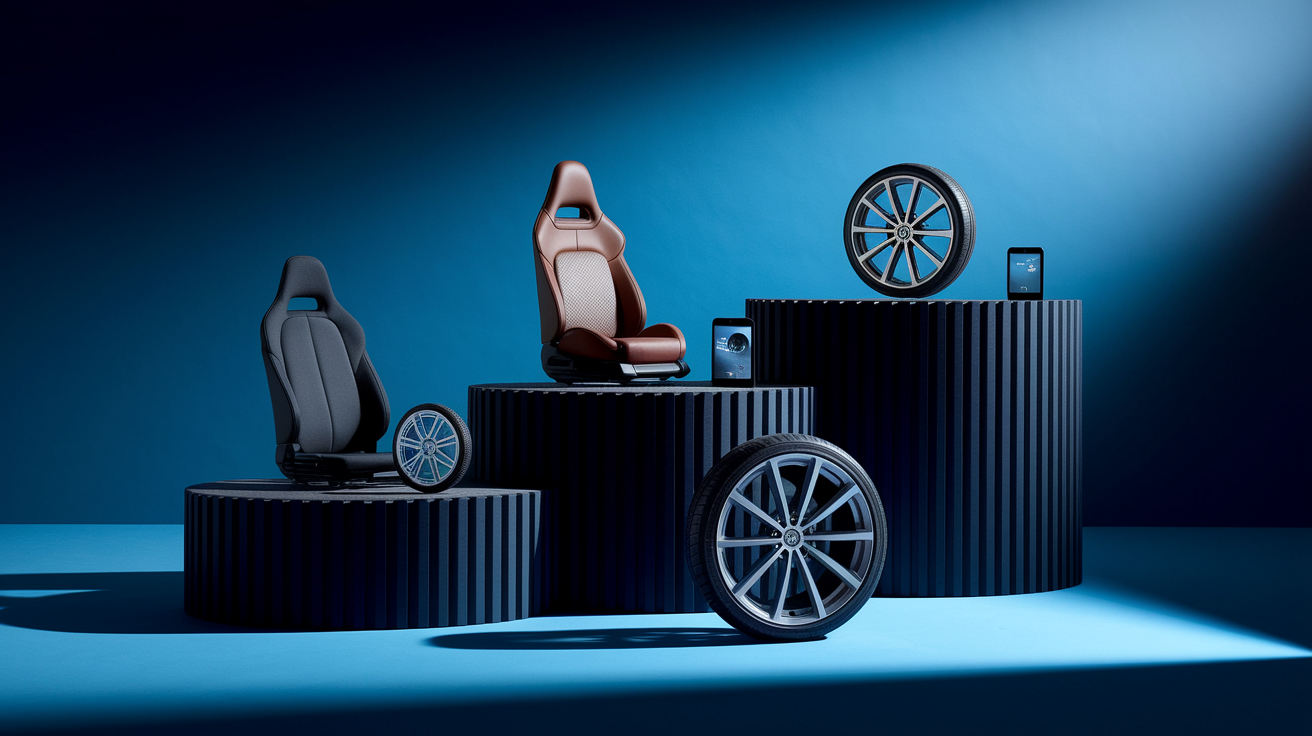
Volkswagen structures most models around three trim tiers: base, mid-level, and top or performance variants. Base trims deliver essential safety features, a functional infotainment system, and cloth upholstery, keeping the starting price accessible. A base Jetta or Taos typically includes forward-collision warning, automatic emergency braking, blind-spot monitoring, and an 8-inch touchscreen with Apple CarPlay and Android Auto. These entry models use smaller wheels (16- or 17-inch), halogen or basic LED headlights, and manual climate control, but they cover the fundamentals for daily driving without extras you might not need.
Mid-level trims add convenience and style upgrades that push the MSRP up by $3,000 to $7,000. Expect features like upgraded cloth or leatherette seating, dual-zone automatic climate control, a larger infotainment screen (often 10 inches or more), wireless phone charging, a power driver’s seat, and upgraded wheel designs. On SUVs like the Tiguan or Atlas, mid trims often unlock a panoramic sunroof, roof rails, and advanced driver-assistance features such as adaptive cruise control and lane-keeping assist. These trims represent the sweet spot for buyers who want comfort and tech without jumping to top-tier pricing.
Performance and top trims can add $10,000 to $25,000 over the base model, depending on the nameplate. A Golf R commands a significant premium over a base Golf GTI thanks to its all-wheel-drive system, upgraded suspension, Nürburgring-tuned chassis, and higher-output engine. Top-tier Atlas or ID.4 trims include premium audio (often a Harman Kardon system), ventilated leather seats, a head-up display, hands-free liftgate, massaging front seats, and advanced lighting packages with matrix LED or IQ.Light technology. Factory infotainment upgrades in these trims often bundle navigation, voice control, and over-the-air update capability. If you’re cross-shopping trims, compare the feature list against your actual needs. Jumping two trim levels for heated seats and a sunroof makes sense if you live in a cold climate, but paying for a premium sound system you’ll never use doesn’t.
Five common feature upgrades that vary by trim across Volkswagen’s lineup:
- Infotainment screen size and resolution. Base models often get 8-inch displays, mid and top trims jump to 10 to 12 inches with sharper graphics and faster processors.
- Driver-assistance bundle. Adaptive cruise, lane-centering, traffic-sign recognition, and park assist typically debut in mid or top trims.
- Seating material and adjustability. Base cloth gives way to leatherette or genuine leather. Power adjustments and memory settings appear in higher trims.
- Wheel and tire packages. Larger alloy wheels (18 to 20 inches) and performance tires are standard on sport trims, optional on others. Bigger wheels improve handling but can reduce ride comfort and range (on EVs).
- Lighting technology. Halogen headlights in base models, LED or matrix LED in mid-to-top trims. Some top trims add automatic high beams and dynamic cornering lights.
Buying a VW: Dealerships, Inventory Searches, and Financing Options
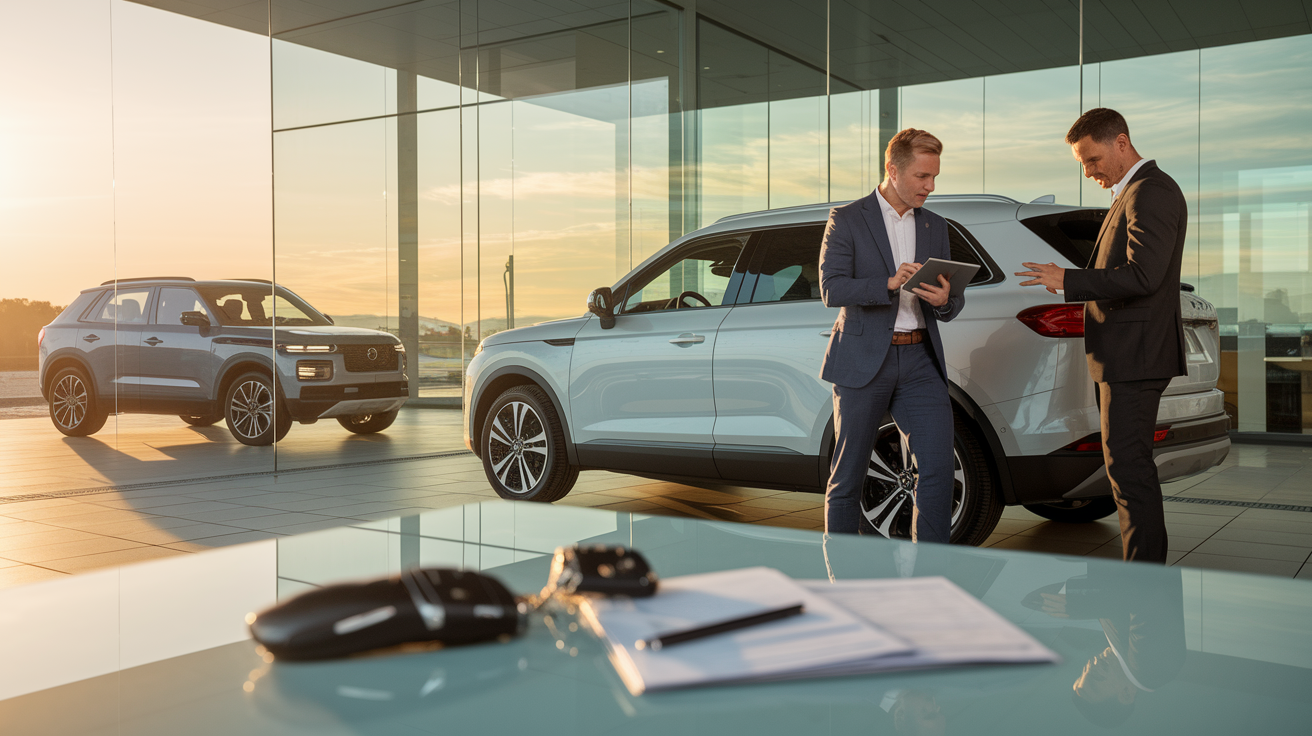
Volkswagen sells vehicles through a network of franchised dealerships across the United States, with dealer density varying by state and metro area. To locate inventory near you, start with the official Volkswagen website’s dealer-locator tool or the online configurator, which lets you build your ideal spec and then transfers that configuration to nearby dealers for pricing and availability. Many dealers also list real-time inventory on their own sites, complete with photos, window stickers, and online chat support. If you’re shopping for a specific color or option package, calling ahead saves you a wasted trip. Dealer inventory can turn over quickly, especially for popular trims like the Tiguan SEL or ID.4 Pro S.
Test drives remain the best way to confirm a model fits your needs. Most dealers accommodate walk-in test drives, but scheduling an appointment online ensures your preferred vehicle is ready and a sales associate is available. During the test drive, pay attention to seat comfort, visibility, cargo access, infotainment responsiveness, and how the vehicle handles your typical roads: highway merging, tight parking lots, rough pavement. For EVs, ask to see the charging port, learn how to initiate a charge session, and review the estimated range display. Dealers can also demonstrate advanced features like adaptive cruise control, parking assist, or the digital cockpit, which can be tricky to explore on your own in a 15-minute loop around the block. Financing and leasing options are typically handled in the dealer’s finance office. Rates and terms depend on your credit score, down payment, loan term, and current manufacturer incentives. Don’t hesitate to compare dealer financing against your own bank or credit union’s rates. Trade-in offers can be negotiated separately. Getting a quote from an online buyer like Carvana or Vroom gives you a baseline to ensure the dealer’s offer is competitive.
New vs Used Volkswagen Vehicles and CPO Program Advantages
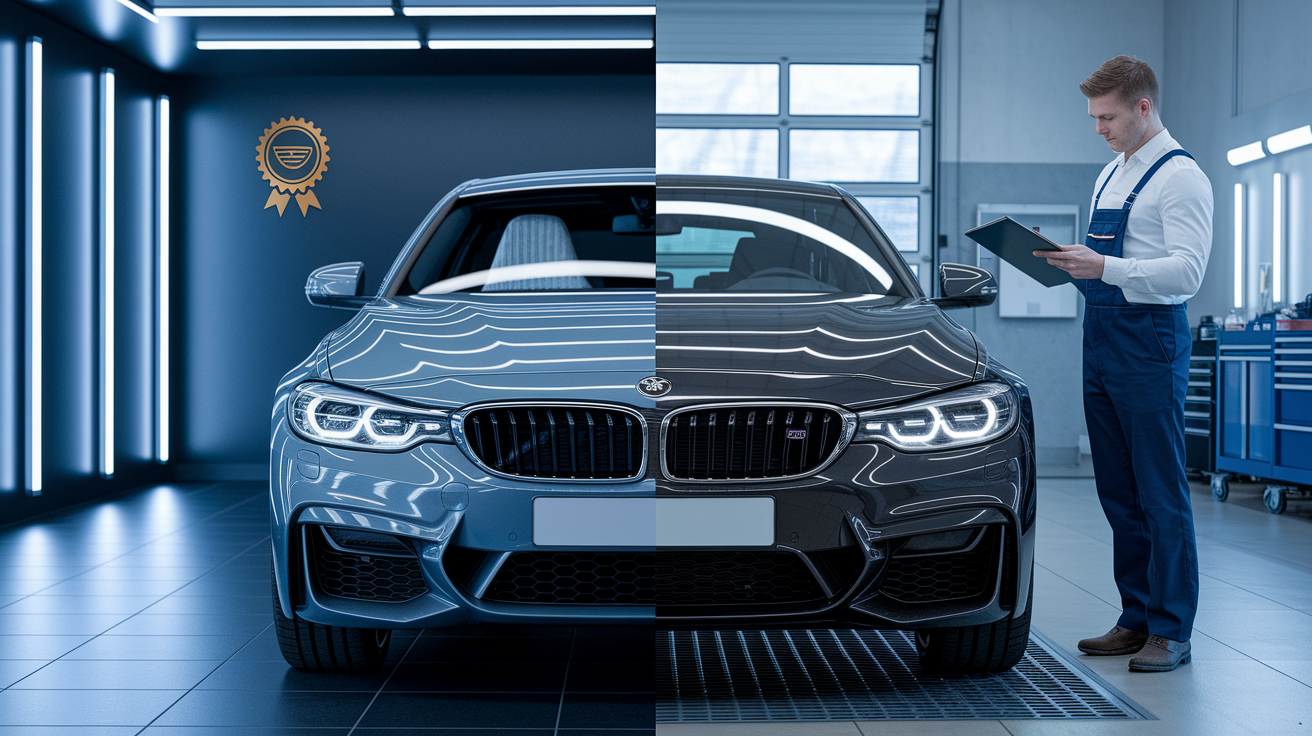
Buying new gives you the full factory warranty, the latest safety and infotainment tech, and the ability to configure exactly the color and options you want. You’ll also benefit from any current manufacturer incentives: federal EV tax credits (up to $7,500 for qualifying electric models), low-APR financing, or lease cash that can significantly reduce your effective price. New-car buyers avoid the unknowns of previous ownership. You control the break-in period, the maintenance history starts fresh, and you’re the first to sit in those seats. For many shoppers, that peace of mind justifies the higher upfront cost.
Used Volkswagen vehicles offer immediate savings and a wider selection of model years, colors, and trims. Depreciation is steepest in the first three years. A three-year-old Jetta or Tiguan can cost 30 to 40 percent less than a brand-new equivalent, yet still deliver plenty of usable life if it’s been maintained properly. The downside is you inherit the previous owner’s habits and any deferred maintenance. That’s where Volkswagen’s Certified Pre-Owned (CPO) program adds value. CPO vehicles must pass a multi-point inspection covering major systems (engine, transmission, brakes, suspension, electrical), have a clean title, and fall within specific mileage and age limits (commonly under 80,000 miles and less than six years old). In exchange, you get an extended limited warranty (often an additional 2 years / 24,000 miles on top of any remaining factory coverage), 24-hour roadside assistance, and sometimes perks like a vehicle history report and a short return window.
Non-CPO used cars from independent lots or private sellers can be even cheaper, but you assume more risk. Always request a vehicle history report (Carfax or AutoCheck) to check for accidents, title issues, and service records. Look for evidence of regular oil changes, brake work, and tire rotations. Vehicles with gaps in maintenance or a history of major repairs should raise red flags. Depreciation rates vary by model: performance cars like the Golf R tend to hold value better than base sedans, while discontinued models (Arteon, Beetle, older Golf variants) can be bargains if you’re willing to hunt for parts or live with quirks. A 2019 e-Golf with low mileage might sell for $20,000 to $25,000, offering an affordable entry into EV ownership even though it’s been replaced by the ID.4. Resale value also depends on condition. Vehicles with clean interiors, no paint damage, and complete service records command higher prices than neglected examples, even if the mileage is similar.
Six key inspection items for used Volkswagen buyers:
- Fluid condition and leaks. Check engine oil, transmission fluid, coolant, and brake fluid for correct levels and color. Look under the car for oil spots or coolant puddles.
- Tire wear and alignment. Uneven tread suggests alignment issues, neglected rotations, or suspension damage. All four tires should show similar wear.
- Brake pad and rotor thickness. Have a mechanic measure remaining pad material and rotor thickness. Worn brakes are a common negotiation point.
- Suspension and steering play. Test-drive over bumps and listen for clunks. Excessive body roll or steering looseness indicates worn bushings, struts, or tie rods.
- Electrical and infotainment function. Verify all lights, windows, locks, climate controls, and touchscreen features work. Electrical gremlins are expensive to diagnose and fix.
- Service records and recall status. Confirm the vehicle is current on recalls (use the VIN lookup on the NHTSA website) and ask for maintenance receipts or a dealer service history printout.
VW Maintenance, Warranty, and Long-Term Ownership Essentials
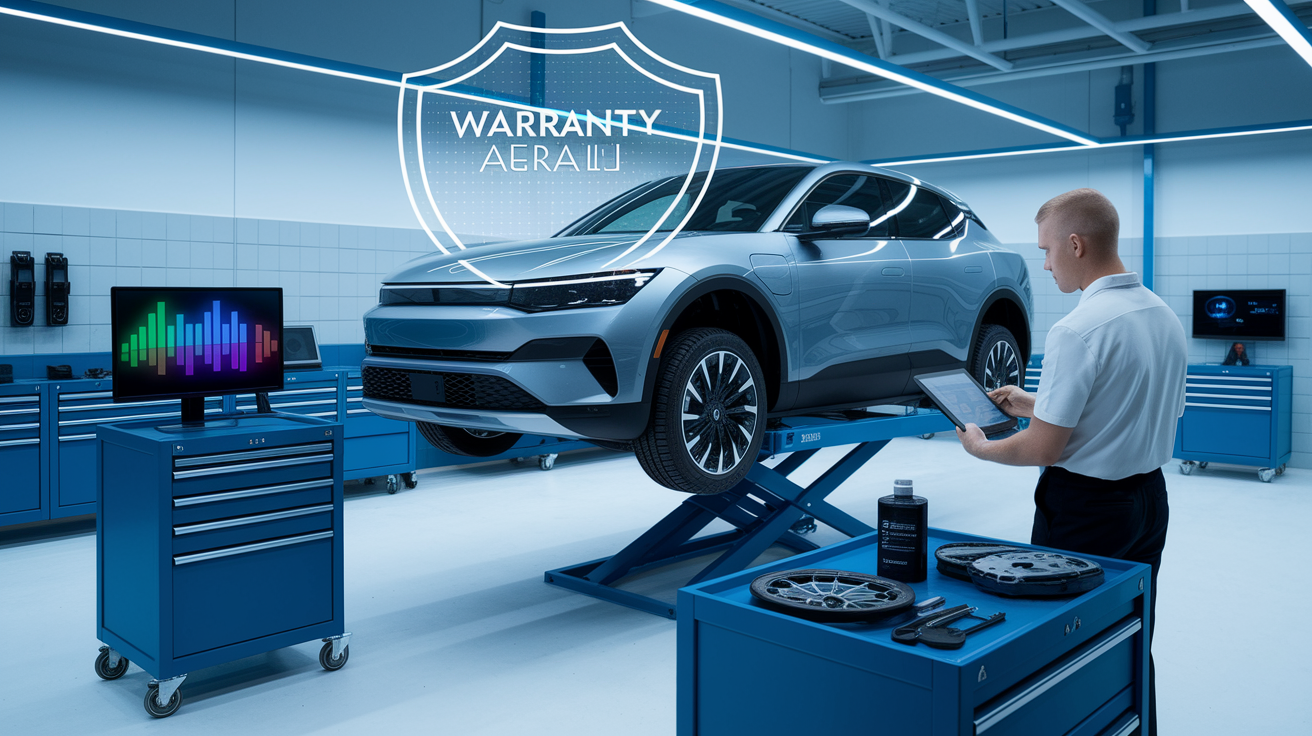
Volkswagen’s new-vehicle limited warranty in the United States typically covers 4 years or 50,000 miles, whichever comes first, for bumper-to-bumper defects (excluding wear items like brake pads and wiper blades). The powertrain warranty, covering the engine, transmission, and drivetrain, often mirrors that term, though some markets or model years extend powertrain coverage. For electric vehicles, the high-voltage traction battery usually carries an 8-year, 100,000-mile warranty against capacity loss below a defined threshold (commonly 70 percent of original capacity). Roadside assistance is included for the duration of the basic warranty, providing towing, jump-starts, flat-tire changes, and lockout service. Extended warranties and prepaid maintenance plans are available for purchase at the time of sale or within the first few months of ownership, and they can make budgeting easier if you plan to keep the vehicle beyond the factory coverage period.
Maintenance intervals for gasoline Volkswagen models depend on engine type and oil specification. Turbocharged engines (like the EA888 in the GTI and Tiguan) running synthetic oil often follow a 10,000-mile oil-change interval under normal driving conditions, but severe-service schedules (frequent short trips, extreme temperatures, towing) can cut that to 5,000 miles. Consult your owner’s manual or the maintenance reminder in the digital cockpit. The onboard computer tracks oil life based on engine starts, operating temperature, and driving style, giving you a more accurate change interval than a fixed mileage rule. Diesel engines (where available) may require diesel exhaust fluid (DEF) top-ups and periodic diesel particulate filter (DPF) regeneration. Skipping these services can trigger limp mode or expensive repairs. DSG (dual-clutch automatic transmission) fluid and filter changes are typically due every 40,000 miles, a critical service that prevents clutch wear and shifting problems. Turbocharger maintenance is mostly passive: use the correct oil grade, let the engine idle for 30 seconds after highway driving to cool the turbo, and replace the engine air filter on schedule to prevent compressor damage from debris.
| Maintenance Item | Typical Interval |
|---|---|
| Engine oil and filter (synthetic) | 10,000 miles / 1 year (normal); 5,000 miles (severe) |
| DSG transmission service (fluid and filter) | 40,000 miles |
| Brake fluid flush | 2–3 years (hygroscopic fluid absorbs moisture over time) |
| Cabin and engine air filters | 15,000–30,000 miles (check more often in dusty climates) |
| Tire rotation and alignment check | 5,000–7,500 miles (rotation); annual alignment inspection |
Battery health checks for EVs involve monitoring the battery management system’s reported state of health (SOH) and capacity. Many ID-series vehicles display SOH in the infotainment menu or through the mobile app. A small drop in capacity (5 to 10 percent) over the first few years is normal. Anything steeper suggests aggressive fast-charging habits, extreme temperature exposure, or a cell imbalance that may warrant a dealer inspection under warranty. Keep the battery between 20 and 80 percent for daily use, precondition the cabin while plugged in to reduce battery drain, and use DC fast charging sparingly. Frequent high-power sessions generate heat and accelerate degradation. For gasoline models, wear components like brake pads, rotors, wiper blades, and tires are not covered by warranty and are the owner’s responsibility. Brake pad life varies widely: aggressive city driving might wear pads in 25,000 miles, while highway-heavy use can stretch that to 50,000 miles or more. Volkswagen’s electronic parking brake (found on most modern models) requires dealer-level scan tools to retract the calipers during pad replacement, so factor that into DIY vs. dealer service decisions.
Performance VW Models and Tuning Considerations
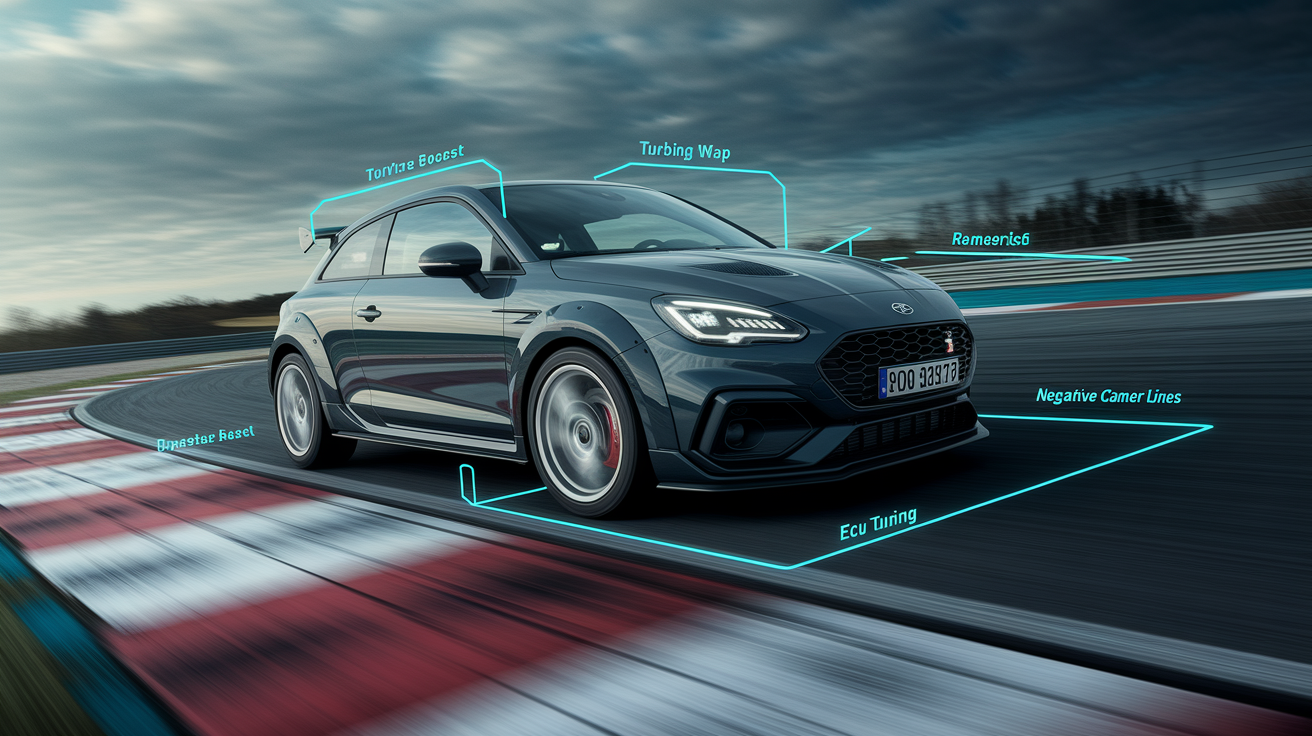
Volkswagen’s performance lineup centers on the Golf GTI, Golf R, and Jetta GLI, all of which share turbocharged four-cylinder engines and front- or all-wheel-drive platforms. The GTI’s EA888 engine produces around 230 to 245 hp in stock form, while the Golf R cranks that to 300 to 330 hp with upgraded turbo components, a larger intercooler, and a more aggressive tune. Both models come with adaptive dampers, limited-slip or electronically controlled differentials, and larger brakes than their non-performance siblings. The Golf GTI EDITION 50, celebrating the GTI’s 50th anniversary, set the fastest lap time for a front-wheel-drive production car on the Nürburgring Nordschleife, proving that factory engineering can deliver track-ready performance without aftermarket modifications. Volkswagen’s Clubsport 24h race cars and the Golf R 24H show car (a concept previewing a potential racing return) demonstrate how the brand pushes its hot-hatch platform in motorsport.
For enthusiasts looking to extract more power, performance ECU tuning is the most popular first step. Stage 1 remaps (software-only tunes that adjust boost pressure, ignition timing, and fuel delivery) can unlock 30 to 60 hp and similar torque gains on turbocharged models, often for under $1,000. The trade-off is increased stress on the engine, transmission, and clutch (on manual cars), plus potential warranty complications if the dealer detects a tune during a service visit. Stage 2 and beyond require supporting hardware: a high-flow downpipe or cat-back exhaust, a larger intercooler, upgraded fuel injectors, and sometimes a bigger turbocharger. Each step up the power ladder requires careful planning. Pairing a Stage 2 tune with stock brakes, suspension, and tires is a recipe for understeer and brake fade on track days.
Suspension tuning options range from simple lowering springs (which drop ride height 1 to 2 inches and slightly stiffen the ride) to full coilover kits with adjustable damping and ride height. Coilovers let you fine-tune compression and rebound to match your driving style: stiffer settings for autocross or track use, softer settings for daily comfort. Installation requires spring compressors and alignment afterward, so budget for professional labor unless you have experience and proper tools. Wheel alignment specs matter. Most performance VW owners dial in a bit more negative camber on the front wheels (around -2 to -2.5 degrees) to improve turn-in grip, and add a touch of front toe-out for sharper steering response. Those changes make the car more agile but can accelerate inner-edge tire wear, so rotating tires every 5,000 miles becomes even more important. Upgraded sway bars, strut braces, and rear subframe inserts further stiffen the chassis, reducing body roll and improving feedback during hard cornering.
VW Safety, Recalls, and Technical Support Resources
Volkswagen integrates advanced safety features across most of its lineup, including forward-collision warning, automatic emergency braking, blind-spot monitoring, and rear cross-traffic alert. Higher trims add adaptive cruise control with stop-and-go capability, lane-keeping assist, and traffic-sign recognition. The brand’s IQ.Drive suite (available on newer models) bundles these systems under a single umbrella, with some versions offering semi-autonomous highway driving that can maintain speed, follow lane markings, and adjust following distance without constant steering input. Crash-test ratings from the IIHS and NHTSA are generally strong for Volkswagen’s current models, though scores vary by model year and specific trim. Always check the latest ratings if safety is a top priority.
Recalls are an inevitable part of vehicle ownership. Volkswagen, like all manufacturers, occasionally issues safety recalls for issues ranging from airbag inflator defects to software glitches in emissions or braking systems. The quickest way to check if your VIN is affected by an open recall is to visit the NHTSA recall lookup tool online and enter your 17-character VIN. Volkswagen also notifies registered owners by mail when a recall is issued, but those letters can be delayed or lost, so checking yourself is smart, especially if you’re buying a used vehicle. Recall repairs are performed free of charge at any franchised Volkswagen dealer, and parts availability can sometimes cause delays for widespread campaigns. If you’re shopping for a used VW, ask the seller or dealer to confirm all open recalls have been completed, and get documentation showing the work was done.
Technical Service Bulletins (TSBs) are manufacturer-issued documents that describe known issues, diagnostic procedures, and approved repairs for specific model years and VINs. Unlike recalls, TSBs are not safety-critical and are not always covered under warranty. The dealer or independent shop may charge for the repair. Common VW TSBs address concerns like water pump noise on EA888 engines, software updates for infotainment systems, and revised procedures for diagnosing check-engine lights related to emissions sensors. Your dealer’s service department can look up active TSBs for your VIN, and some owners request copies to understand recurring issues before they become expensive repairs.
Four common recall-related areas to watch in Volkswagen models:
- Airbag inflators. Takata airbag recalls affected millions of vehicles across many brands. Check your VIN and replace any defective inflators immediately.
- Electrical system. Software glitches in infotainment, instrument clusters, or body control modules can disable safety features or cause unexpected behavior. Many are resolved with over-the-air or dealer-installed updates.
- Emissions and software. Some diesel models were subject to emissions-related recalls. Gasoline models occasionally receive software updates to correct fuel-system or evaporative-emissions faults.
- Climate control. Refrigerant leaks or HVAC software issues sometimes trigger recalls. Symptoms include weak airflow, inconsistent temperatures, or compressor noise.
Final Words
You’ve jumped right into Volkswagen basics, model lineups, and where to find official resources.
We covered cars, SUVs, the ID electric series, trims and pricing, buying tips, CPO vs used checks, maintenance, performance tuning, and safety/recall resources in short, practical chunks.
If you’re searching vw), try the configurator, dealer inventory, or a VIN decoder to lock down exact specs and pricing. Follow the maintenance and inspection checklists, and you’ll be ready to choose the right VW with confidence.
FAQ
Q: Why is VW shutting down?
A: Volkswagen is shutting down certain plants or operations to restructure production, cut costs, and retool factories for electric vehicles and software-focused work, aiming to modernize the lineup and boost profitability.
Q: Who owns Porsche?
A: Porsche is owned within the Volkswagen Group structure; Porsche AG operates under VW’s corporate umbrella, while Porsche Automobil Holding SE remains a separate holding company with significant VW shareholdings.
Q: Which country buys the most Volkswagens?
A: China buys the most Volkswagens, acting as Volkswagen’s largest single-market by sales volume, followed by Germany and the United States.
Q: Is the Golf expensive to maintain?
A: The Golf is moderately costly to maintain; routine servicing is generally affordable, but GTI and Golf R performance trims, DSG transmissions, and turbo repairs can increase long-term costs.